
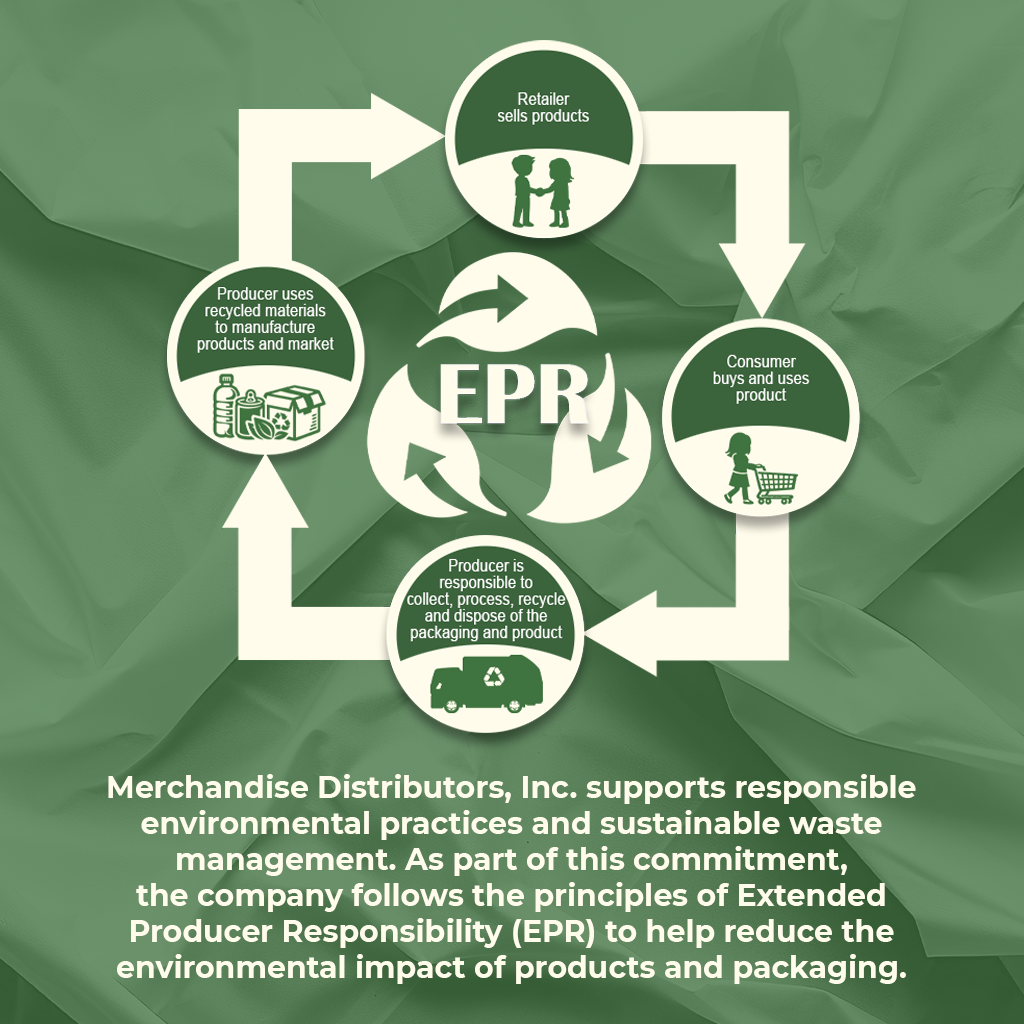
What is Extended Producer Responsibility (EPR)?
Extended Producer Responsibility (EPR) is an environmental policy that makes producers responsible for the full life cycle of their products, especially after consumers are done using them. Its goal is to reduce the impact of waste on the environment by requiring producers to properly collect, recycle, or dispose of their products and packaging.
The Philippines' EPR Act of 2022
On August 12, 2022, the EPR Act became an important step in addressing plastic waste in the Philippines. Under this law, large companies are required to register their EPR programs with the National Solid Waste Management Commission. These programs aim to reduce plastic packaging waste and promote its recovery, reuse, recycling, treatment, or proper disposal in an environmentally responsible way.
Objective of the EPR Act: Achieving Plastic Neutrality
The Extended Producer Responsibility Act of 2022 aims to achieve plastic neutrality. This means that for every amount of plastic a company produces, the same amount must be collected or removed from the environment.
Companies do this by setting up proper waste management systems that help collect, recover, and manage plastic waste, reducing its impact on the environment.
Supporting Waste Reduction & Plastic Collection
Merchandise Distributors, Inc. supports the Philippines’ EPR Law and its goal of creating a more sustainable future. By reducing the environmental impact of waste, the company helps keep recyclable materials out of landfills and waterways through responsible and innovative waste processing methods.
What Companies Need To Do
To comply with the EPR Act, companies must:
Established EPR Programs
Companies must set up EPR programs for plastic packaging and register them with the National Solid Waste Management Commission within six months.
Measure Plastic Footprint
Companies must track how much plastic packaging they produce each year and meet the required waste diversion targets.
Annual Compliance Reporting
Companies must submit yearly compliance reports that are checked by an independent third party. These reports should show their plastic packaging use, recovery efforts, and how they are following the EPR requirements set by the Department of Environment and Natural Resources.